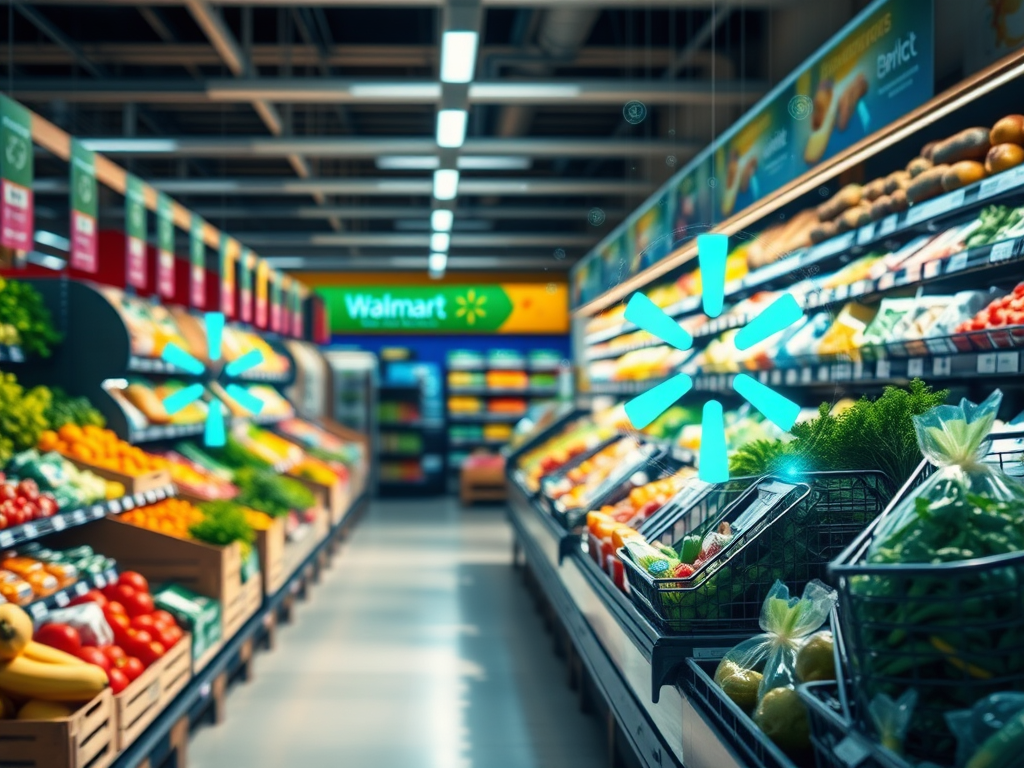
How Walmart’s Blockchain Success Transforms Sustainable Procurement in the Food Supply Chain
As industries evolve, Walmart has positioned itself as a pioneer in leveraging technology to drive sustainability. The company is most notable for its integration of blockchain technology in the food supply chain. By combining the rigor of advanced digital systems with a mission-driven approach to sustainability, Walmart’s blockchain success story illuminates how responsible innovation can reshape procurement processes, reduce waste, and build consumer trust.
The Challenge: Transparency and Trust in Food Supply Chains
For food retailers, supply chain transparency is a critical goal and a major challenge. The traditional model of food procurement is a maze of transactions and checkpoints, often creating silos and complicating the tracking process. It leaves gaps in data visibility that can result in delays in tracing food origins and recalls. Results? Scams, frauds, and unsafe food in our homes.
Take example of nearly 80,000 pounds of Kirkland Signature Butter that was recalled from Costco shelves. Also consider tracking over 100,000 tons of smuggled pork, beef, and chicken. Some of this meat dated back to the 1970s. Transparency issues can lead to significant financial costs, as well as health and environmental impacts, which is especially concerning as consumers increasingly demand accountability from food brands.
Walmart’s solution has been to introduce blockchain technology to enable end-to-end traceability in real time, ensuring that every stakeholder in the food chain—from farmers to consumers—can access a shared ledger of information about each product’s journey. This isn’t just about technology; it’s about transforming the foundation of sustainable procurement.
Blockchain and Real-Time Tracking: Enhancing Food Safety and Reducing Waste
Blockchain’s core strength in Walmart’s approach is its immutable, decentralized ledger, which records each transaction and movement within the supply chain. Every product added to Walmart’s blockchain system receives a digital record that includes key data points such as origin, handling, storage, and transport conditions. The technology secures this information in a tamper-proof format. This significantly reduces the risk of mislabeling or falsification. It ensures that consumers get exactly what they pay for.
The application of blockchain within the food supply chain at Walmart has led to improvements in two major areas: food safety and waste reduction. In traditional supply chains, tracking a product’s journey can take days or even weeks. This is a dangerous delay when managing food borne illnesses or contamination events. Walmart’s blockchain reduces this time to seconds through traceability, enabling instant access to crucial data that accelerates recalls and minimizes health risks.
Moreover, by ensuring that food products are consistently tracked and monitored, Walmart minimizes spoilage rates. Products close to expiration or from vulnerable environments can be flagged sooner, allowing for efficient redistribution to areas where they can still be consumed, preventing needless waste.
Sustainability and Ethical Sourcing: Building Consumer Trust
Walmart’s blockchain initiative aligns closely with its broader sustainability goals, particularly in ethical sourcing and environmental impact reduction. By maintaining a transparent chain of custody, the company strengthens its commitment to sustainable and responsible sourcing. Blockchain’s decentralized nature enables every supplier—no matter how small—to contribute to and benefit from the transparency of the system, empowering farmers and local producers by showcasing their practices in a public, verifiable way.
This transformation not only builds consumer trust but also reinforces Walmart’s brand reputation as a leader in sustainable procurement. Shoppers today are looking to support brands that value responsible practices, and Walmart’s blockchain provides customers with a direct link to the origins of their food. When customers see a package of strawberries, they can trace its journey from the farm to the store, knowing exactly how it was grown, stored, and transported.
Tackling Complex Global Supply Chains: Walmart’s Vision for the Future
Blockchain’s impact on Walmart’s food supply chain reflects a larger ambition to create scalable, replicable solutions across global supply chains. Walmart’s strategy suggests that the future of sustainable supply chains lies in collaborative networks that utilize cutting-edge technology to overcome the inherent complexities of global trade.
For instance, Walmart’s blockchain project is not a solo endeavor but a cooperative initiative involving technology partners, suppliers, and even competitors. This coalition approach highlights a commitment to advancing standards industry-wide, benefiting everyone involved. Blockchain in Walmart’s food supply chain proves that sustainable procurement isn’t solely an operational decision but a strategic one that fosters a shared vision for responsible, ethical commerce.
The Ripple Effect: Broader Implications for the Industry
Walmart’s blockchain success story serves as a blueprint for other companies aiming to enhance transparency, efficiency, and sustainability in their operations. By setting an example, Walmart encourages other players in the food industry to explore blockchain’s potential, catalyzing an industry-wide shift toward more responsible sourcing and transparency. As more companies adopt similar technologies, the entire supply chain ecosystem becomes more interconnected, responsive, and resilient.
From a sustainability perspective, Walmart’s blockchain solution demonstrates how technological investments in supply chains can align with environmental goals. Reduced waste, energy-efficient processes, and ethical sourcing all become attainable when supported by reliable, data-driven systems like blockchain.
Technology as a Catalyst for Sustainable Transformation
Walmart’s use of blockchain technology in its food supply chain has effectively transformed sustainable procurement from a goal to a reality. The company’s strategic approach addresses transparency, food safety, and waste reduction—each a vital component of responsible sourcing in a globalized economy. As Walmart continues to lead in supply chain innovation, its blockchain success story sets a compelling example for other businesses, showing that sustainable transformation is achievable through thoughtful application of technology.
In the end, Walmart’s journey reflects a simple truth: sustainability isn’t a destination, but an ongoing process. With blockchain, Walmart has proven that technology can be a powerful ally in this pursuit, one that ensures a safer, more transparent food system for everyone involved—from the farmer to the consumer.
 Sustainability For All
Leave a comment